

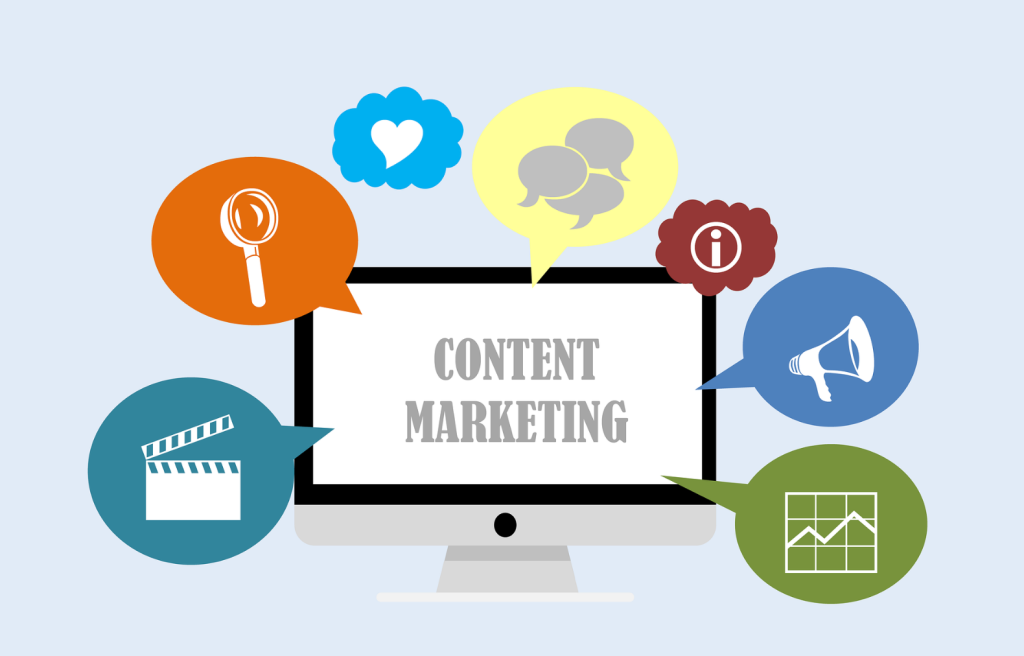
In the age of the internet, conventional advertising is less effective than it used to be. Consumers are avoiding commercials, zapping over ads, and seeking value before purchasing. That’s where content marketing is relevant. If you’re a business owner, an aspiring marketer, or just interested in online growth techniques, this guide will take you through the fundamentals of Content Marketing Beginner’s Guide and how to begin.http://digimket.com/
What is Content Marketing
Content marketing is a marketing strategy centered on the creation and distribution of valuable, relevant, and consistent content to attract and retain clearly defined audiences — and, ultimately, to drive profitable customer action.
In contrast to direct advertising, which tries to shove products or services, content marketing tries to deliver useful information, solve a problem, Content Marketing Beginner’s Guide or entertain in order to establish trust and long-term relationships with customers.http://digimket.com/
Example Of Content Marketing
Blog posts and articles
Social media content
Infographics
E-books
Podcasts
Videos
Newsletters
Why Content Marketing Matters
In a saturated marketplace, customers will be more inclined to favor brands that provide authentic value. Content marketing isn’t about selling — it’s about inspiring, educating, and engaging.
How to Begin with Content Marketing
.Know Your Audience
Who are you attempting to target? Get familiar with their age, interests, issues, and where they hang out online.
Set Clear Goals
Are you looking to boost traffic, drive leads, or build your brand awareness? Your content must be linked to concrete business objectives.
.For instance.
Instagram for visual.
LinkedIn for B2B.
YouTube for tutorial and storytelling.
. Quality over Quantity
One good blog post or video is worth more than five quick ones. Always strive to deliver real value.
. Track Your Results
Utilize Google Analytics, social media metrics, or email reports to monitor what works in your content — and learn to do better over time.
Guide to Start Content Marketing
Define Your Goals
Start by asking: What do I want to achieve with content marketing?
Common goals include:
- Driving traffic to your website
- Increasing social media engagement
- Building an email list
- Educating your audience
- Generating sales or leads
Make sure your goals are SMART — Specific, Measurable, Achievable, Relevant, and Time-bound.http://digimket.com/
2. Know Your Target Audience
Understanding your audience is crucial. Create buyer personas — fictional representations of your ideal customers — to guide your content.
Consider:
- Age, gender, and location
- Interests and hobbies
- Challenges or pain points
- Preferred online platforms
The more you know about your audience, the better you can create content that resonates.
3. Choose the Right Content Types
Not all content types suit every brand or audience. Choose formats that align with your goals and resources. For example:
- Want more website traffic? Start a blog.
- Building a YouTube channel? Create tutorials or how-to videos.
- Growing on LinkedIn? Publish insightful articles.
Be consistent with your brand voice and Content Marketing Beginner’s Guide choose platforms where your audience already spends time.
4. Create a Content Plan
A content calendar helps organize your efforts. It outlines:
- Topics and keywords
- Publishing dates
- Content formats
- Responsible team members
Planning prevents last-minute scrambling and ensures you stay on track. Aim for consistency — whether that’s weekly blog posts or daily social media updates.
5. Optimize for SEO
Search Engine Optimization (SEO) ensures your content can be found by people using Google and other search engines.
Basic SEO tips:
6. Promote Your Content
- Use relevant keywords naturally
- Write catchy, keyword-rich titles
- Use headers (H1, H2, etc.) for structure
- Add meta descriptions and alt text for images
- Include internal and external links
SEO helps drive organic traffic, which is both cost-effective and sustainable in the long run.
Great content won’t help if no one sees it. Share your content across:
- Social media platforms
- Email newsletters
- Online communities (like Reddit, Facebook groups)
- Guest posts on other blogs
Use different formats to repurpose content. A blog post can become an infographic, video, or podcast episode.
7. Measure and Analyze
Use tools like Google Analytics, SEMrush, or HubSpot to track how your content performs.
Important metrics:
- Page views and bounce rate
- Time on page
- Social shares and comments
- Conversion rate
- Keyword rankings
Analyze what’s working and what’s not — then refine your strategy accordingly.
Content Marketing for Beginner
Tell stories – People relate to stories, not facts.
Incorporate visuals – Pictures and videos attract attention.
Be genuine – Address your audience as actual humans, not as customers.
Utilize SEO fundamentals – Use keywords that individuals are looking for.
Concusion
Content marketing isn’t selling — it’s serving. By regularly creating and distributing valuable content, you establish trust with your audience.
Whether you’re a small startup, freelancer, or big brand, content marketing is a mighty tool for building your online presence — and communicating with the people who are most important to you.http://digimket.com/